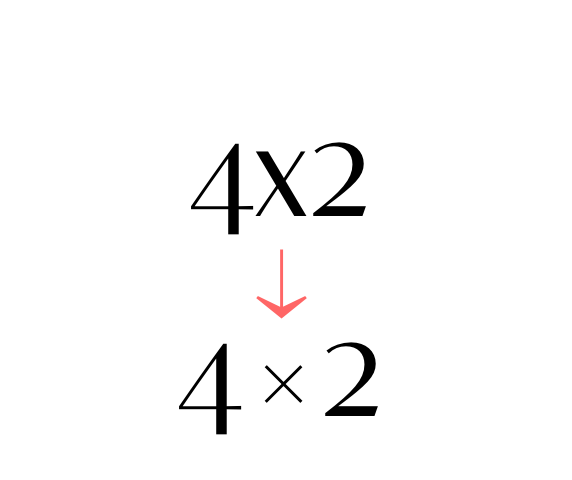
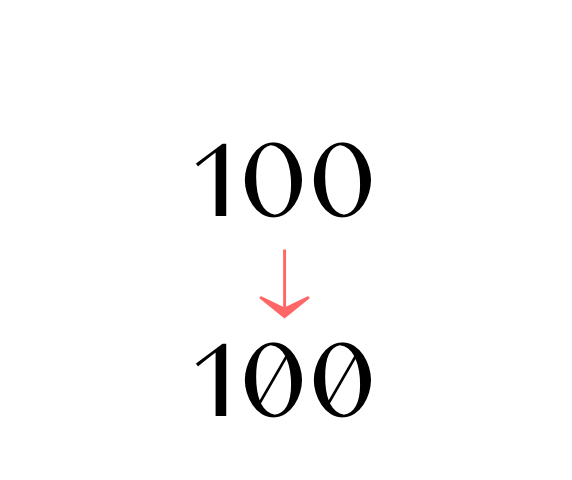
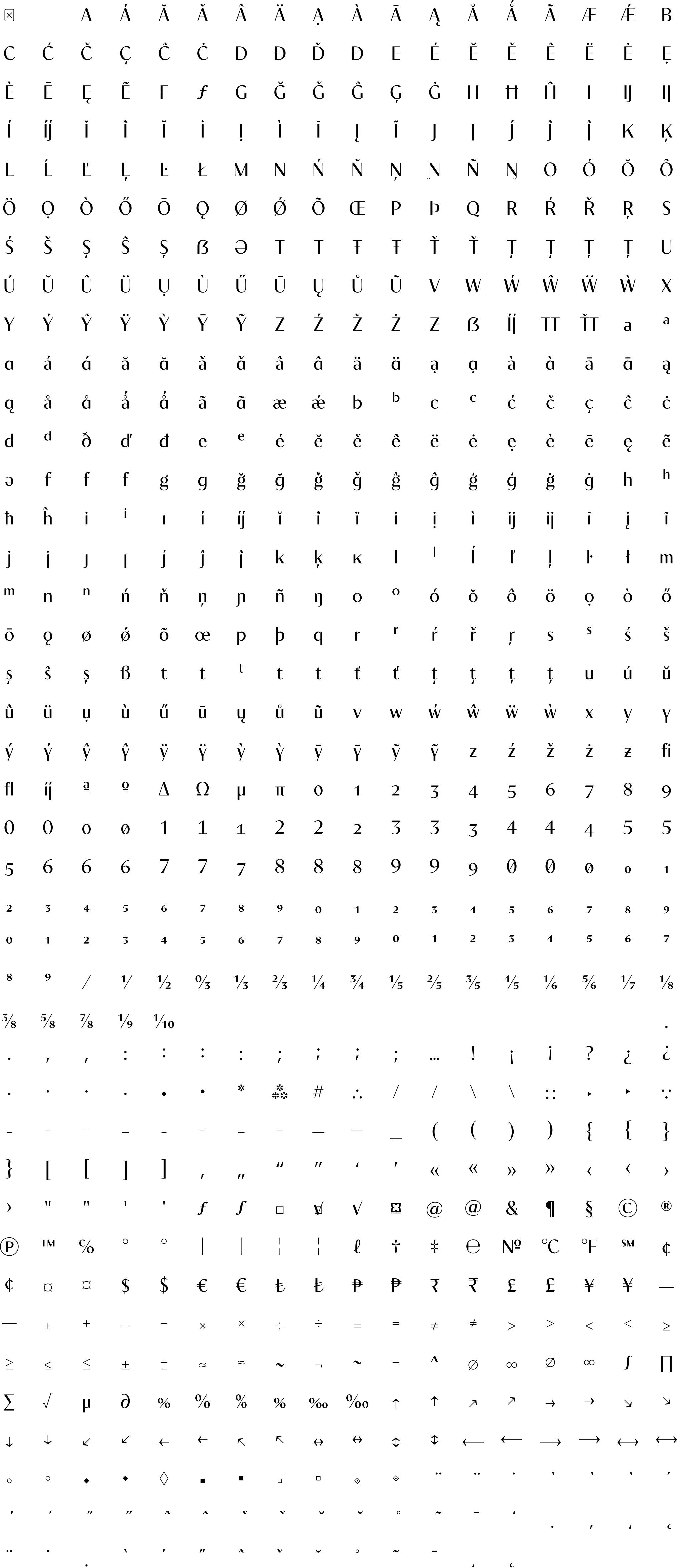
Contralto is a high contrast sans-serif font family, crafted to look elegant but contemporary thanks to soft humanist shapes mixed with sharp geometric details.
Contralto comes in 40 styles: 5 weights × italics × 4 optical sizes, to help optimising contrast and readability. However, you can also use them to fine tune the mood of your graphical composition.
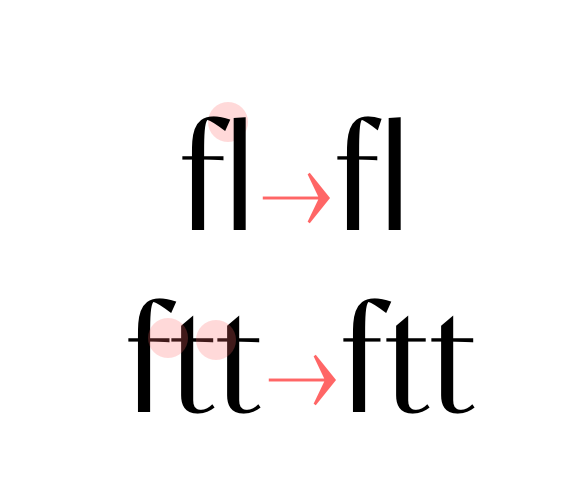
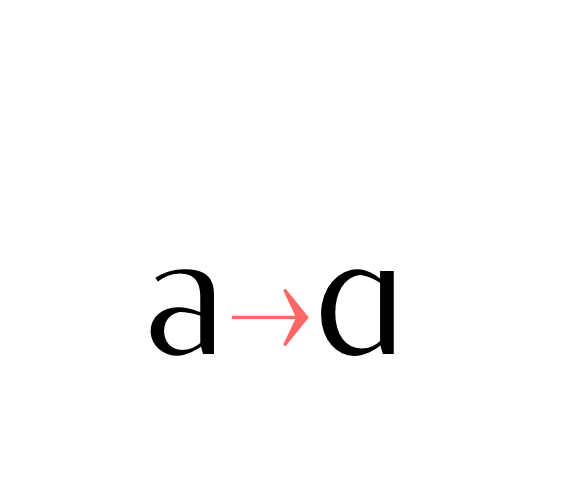
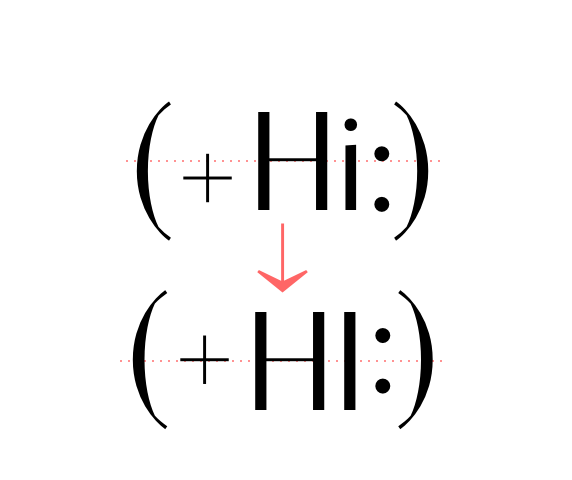
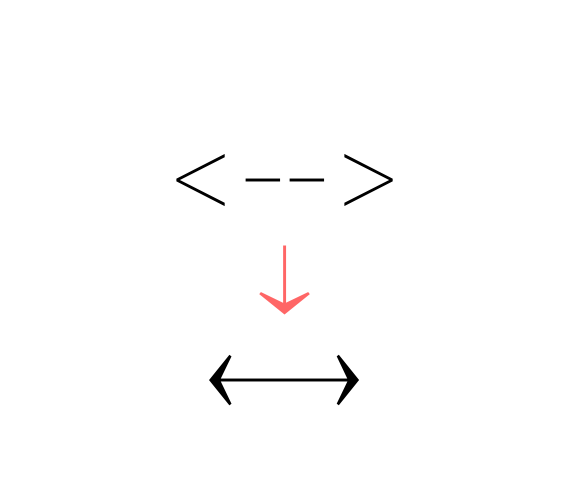
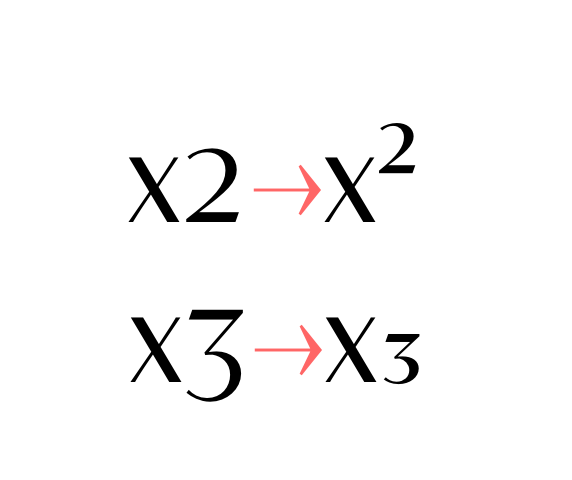
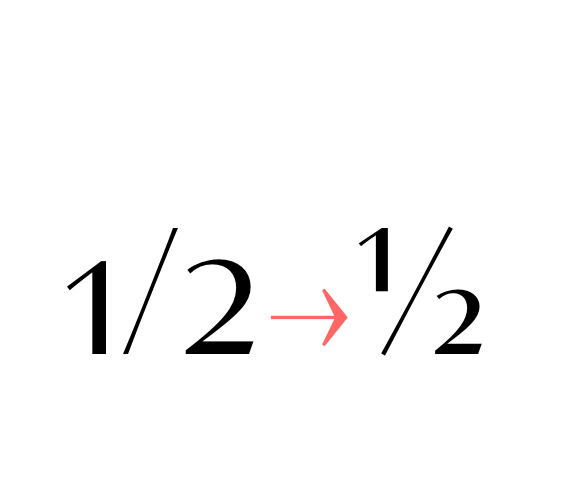
Contralto’s generous character set and Opentype features let you meet the most demanding layout needs and lets your creativity fly!
Download the Contralto Specimen --> 
Rf Microelectronics Behzad Razavi Pdf Free !free!
Professor Razavi himself has a massive library of free video lectures on YouTube that mirror the content of his books. This is often more helpful than a static PDF. Conclusion
In RF engineering, you will often need to flip back and forth between complex Smith charts and schematics. Most professionals find that a physical copy or a high-quality licensed eBook is far more functional for daily work. How to Access "RF Microelectronics" Legally
The book is celebrated for its ability to make complex topics intuitive. It avoids the heavy reliance on abstract math, instead building "engineering intuition"—the ability to look at a circuit and understand how it works, which is a critical skill for any designer.
The latest iteration of the book is the 3rd Edition. While an English version is anticipated, a Chinese translation, 射频微电子学 , has been published by China Machine Press in March 2025.
and various student-uploaded solution sets that are helpful for practical application Academia.edu rf microelectronics behzad razavi pdf free
: Websites like AbeBooks or eBay often have older editions (the 1st edition is still very relevant for fundamentals) at a fraction of the cost of a new 2nd edition. Course Materials
To effectively design or analyze RF ICs (Integrated Circuits), engineers must master several mathematical and physical metrics explained extensively by Razavi. Nonlinearity Metrics 1-dB Compression Point ( P1dBcap P sub 1 d cap B end-sub
Impedance matching, noise figure optimization, and non-linearity in amplifiers.
Behzad Razavi’s RF Microelectronics is a foundational text in the field, and while the full textbook is a copyrighted commercial work, you can find high-quality educational materials, papers, and specific chapters released through academic portals and official previews. Highly Recommended Papers & Resources RF Microelectronics " (Official Preview & Excerpts): Pearson provides a substantial Sample PDF Professor Razavi himself has a massive library of
: It covers fundamental concepts like nonlinearity, interference, and noise , as well as transceiver architectures, low-noise amplifiers (LNAs), and phase-locked loops (PLLs).
Harmonic distortion, cross-modulation, and third-order intercept points ( IP3cap I cap P sub 3
Because of its depth, it remains a mandatory text for university courses and a core reference manual for silicon valley engineering teams. The Hidden Risks of "Free PDF" Downloads
Choosing the right architecture determines the complexity, cost, power consumption, and performance of a wireless device. Heterodyne Receivers Most professionals find that a physical copy or
Many websites promising free downloads of copyrighted textbooks pose serious risks:
user wants a long article on the keyword "rf microelectronics behzad razavi pdf free". I need to follow the search plan to gather information. The article should be comprehensive, covering an overview of the textbook, why it's a definitive resource, typical search intents (free PDF, solutions, etc.), where to legally access it (institutional access, purchase options), copyright risks, and free alternatives. I'll start the first round of searches. first round of searches has provided some initial results. I need to gather more detailed information. I'll open some of the promising links, such as the Pearson page for the table of contents, the IEEE author profile, the Amazon purchase page, and some of the free PDF links (like from vdoc.pub and eeworld) to assess their nature. I'll also search for copyright risks and alternatives. search results have provided a wealth of information. I have details on the textbook's features, table of contents, purchase options, and free PDF sources. I also have information on copyright risks and some alternative resources. The user's question has high authority requirements, I should prioritize using official and reputable sources, such as the publisher's page and academic libraries. I will now structure the article. The article will cover: an introduction to the textbook, its content and key features, reviews, search intents (free PDF, solutions), legal access methods (library, purchase), risks of unauthorized downloads, free alternatives, and a conclusion. I will cite the sources appropriately. many years, RF Microelectronics by Behzad Razavi has been the definitive textbook for radio frequency integrated circuit (RFIC) design, widely considered the "bible" of RF engineering. It's no surprise that thousands of engineering students and professionals search for a free PDF copy each month—but here's why you should support the work and explore legitimate ways to access it instead.
Eliminates the image problem, removes the need for off-chip IF filters, and allows for highly integrated, low-cost single-chip solutions.
To help you get the most out of your studies, let me know how you would like to proceed. I can break down a from the book, provide sample problems with solutions , or explain a particular circuit architecture like a low-noise amplifier. Share public link